What Causes Concrete Cracks, Spalling, and Surface Damage
To repair concrete cracks, spalling, and surface damage effectively, local contractors can identify causes like weather, settling, or wear and provide expert solutions to restore your concrete.
Understanding what causes concrete cracks, spalling, and surface damage can help property owners identify potential issues early and prevent more extensive repairs down the line. These problems often stem from factors like ground movement, temperature fluctuations, moisture infiltration, or improper installation. For those managing residential or commercial properties, recognizing the underlying causes is essential for maintaining the safety, appearance, and longevity of concrete surfaces. As you explore this topic, it’s reassuring to know that local contractors specializing in concrete repair can assess the specific conditions affecting your property and recommend appropriate solutions to address these common issues.
Property owners in the area who notice cracks, surface deterioration, or spalling may find that professional repair services are the best way to restore their concrete’s integrity and appearance. Local service providers have the experience to diagnose the root causes of surface damage and implement effective repairs tailored to each situation. Keep reading to learn more about the factors behind these common problems and how local contractors can help preserve the value and safety of your concrete surfaces through expert repair work.
Get Quotes for Concrete Cracks, Spalling, And Surface Damage Repair
- Concrete cracks often develop due to ground movement or temperature fluctuations, prompting local contractors to evaluate and repair the foundation and surface. Spalling occurs when moisture infiltrates the concrete, causing it to break apart, and service providers typically address this by removing damaged areas and applying protective coatings. Surface damage, such as chipping or scaling, may result from wear or improper curing, with local specialists restoring the surface to prevent further deterioration. Understanding the causes of concrete surface issues helps local service providers recommend effective repair solutions to maintain durability.
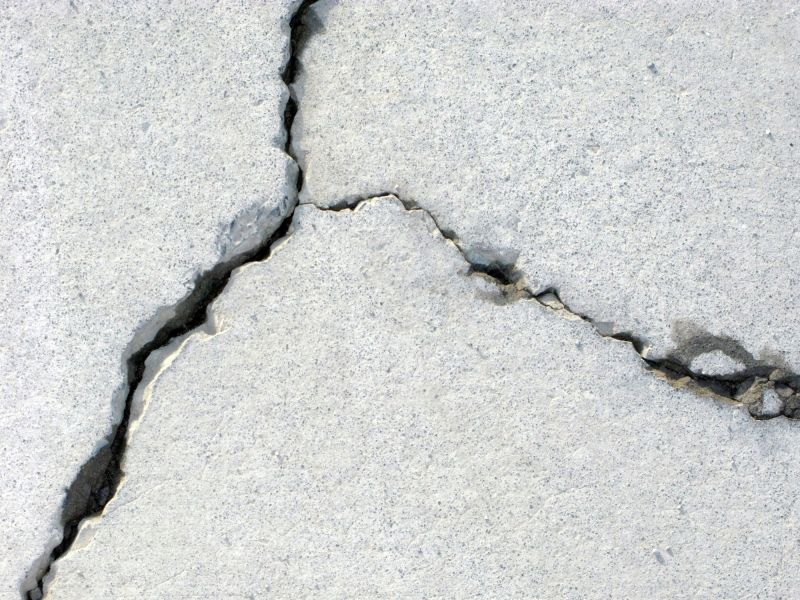
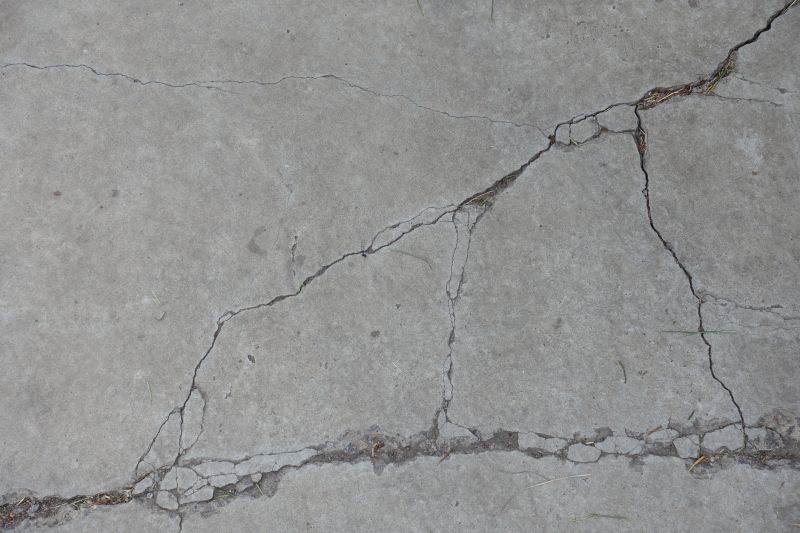
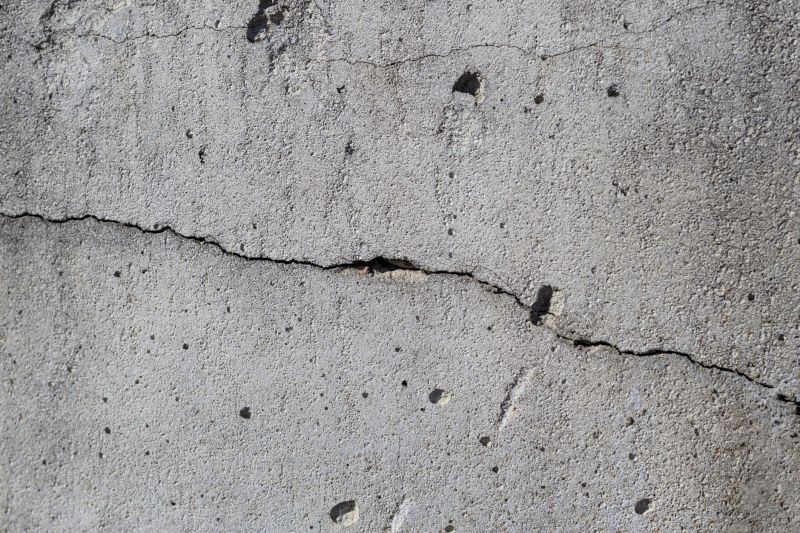
Understanding what causes concrete cracks, spalling, and surface damage is essential for homeowners who want to maintain the integrity and appearance of their property’s concrete surfaces. When people search for this topic, they are often looking for explanations about why their driveway, patio, or sidewalk is developing visible issues. These problems can be signs of underlying structural concerns or aging, and identifying the root causes helps determine the best repair approach. Homeowners may also be interested in preventative measures to avoid future damage, making it a common concern for those planning repairs or renovations to enhance safety and curb appeal.
The problems associated with concrete cracks, spalling, and surface damage are often linked to various factors that impact the durability of concrete surfaces. Cracks can form due to shrinkage, settling, or structural movement, while spalling-where the surface flakes or chips away-may result from freeze-thaw cycles, corrosion of embedded reinforcement, or poor initial mixing. Surface damage might include scaling or pitting caused by exposure to chemicals, heavy traffic, or improper finishing. These issues are frequently encountered in properties like residential driveways, walkways, commercial parking lots, and public sidewalks, where consistent wear and environmental exposure accelerate deterioration.
Many property owners seek information about the causes of concrete surface issues to better understand whether repairs are necessary or if preventative steps can be taken. For those with driveways or patios, cracks and surface damage can lead to safety hazards, such as tripping risks or further structural compromise. In commercial settings, damaged concrete can affect accessibility and the overall impression of a business. Local service providers specializing in concrete repairs are equipped to assess the specific causes of these problems, whether they stem from environmental factors, aging, or improper installation, and recommend appropriate solutions to restore the surface’s strength and appearance.
For homeowners and property managers, recognizing the causes behind concrete cracks, spalling, and surface damage helps inform decisions about repairs and maintenance. When issues are identified early, local contractors can provide targeted repairs that address the underlying causes, preventing more extensive damage down the line. These professionals often handle a range of projects-from patching small cracks to replacing entire sections of damaged concrete-ensuring that the repaired surfaces are durable and safe. Connecting with experienced local contractors ensures that repairs are performed with the right techniques and materials, tailored to the specific conditions of each property.
Concrete Restoration Projects - These projects involve repairing and restoring damaged concrete surfaces, requiring skills similar to addressing cracks, spalling, and surface damage caused by various factors.
Foundation Repair Services - Foundation repairs often deal with cracks and structural issues in concrete, making them relevant for understanding and fixing underlying causes of surface damage.
Driveway and Patio Resurfacing - Resurfacing involves addressing surface damage and cracks to improve appearance and durability, utilizing tools and planning similar to concrete surface repairs.
Waterproofing and Sealant Applications - Applying sealants and waterproofing solutions helps prevent surface damage and spalling, aligning with the skills used in surface protection projects.
Concrete Demolition and Removal - Removing damaged concrete sections is a key step before repairs, requiring expertise comparable to surface damage assessment and planning.
Structural Reinforcement Projects - Reinforcing concrete structures to prevent further cracking or damage involves understanding material stresses and repair techniques related to surface issues.
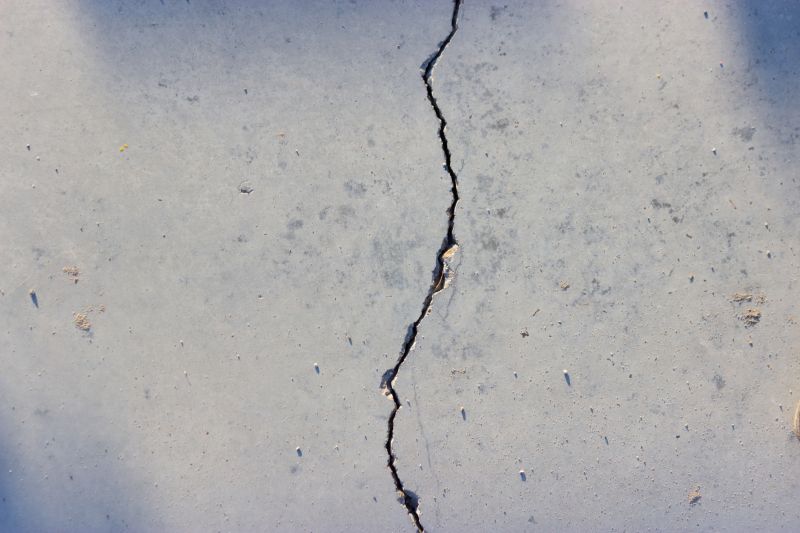
When evaluating service providers for concrete crack, spalling, and surface damage repair, it is important to consider their experience with similar projects. Contractors who have handled repairs of comparable scope and complexity are more likely to understand the underlying causes of these issues, such as ground movement, freeze-thaw cycles, or improper initial installation. An experienced local contractor can also provide insights into the most effective repair methods, ensuring that the solutions address both the visible damage and any root causes to prevent future problems.
Clear written expectations are essential when comparing local contractors for concrete repairs. A reputable provider should be able to outline the scope of work, materials to be used, and the steps involved in the repair process in a straightforward manner. This transparency helps ensure that there are no surprises and that the homeowner understands what to expect during and after the project. Having detailed, written communication also facilitates better decision-making and provides a reference point for the work to be performed.
Reputable references and good communication are key indicators of a reliable service provider. Local contractors with positive references from previous clients demonstrate a track record of successful repairs and customer satisfaction. Additionally, a contractor who communicates clearly and promptly can help clarify questions about the causes of concrete issues, repair options, and maintenance tips. Choosing a provider who values open dialogue and can provide credible references can help ensure the repair process is smooth, effective, and aligned with the homeowner’s needs.
Get a Quote for Concrete Cracks, Spalling, And Surface Damage Repair
Property owners often search for what causes concrete cracks, spalling, and surface damage when they are planning practical projects around their homes and businesses. Local pros provide Concrete Cracks, Spalling, and Surface Damage Repair services for everyday jobs and straightforward project options.
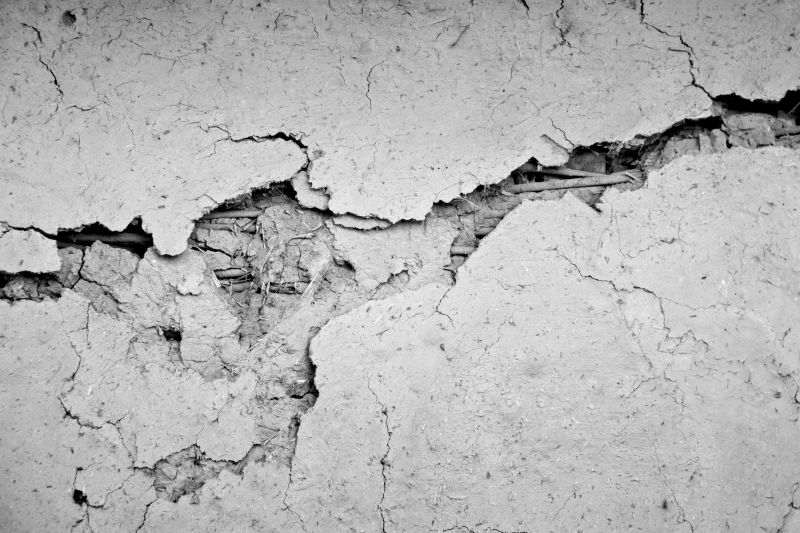
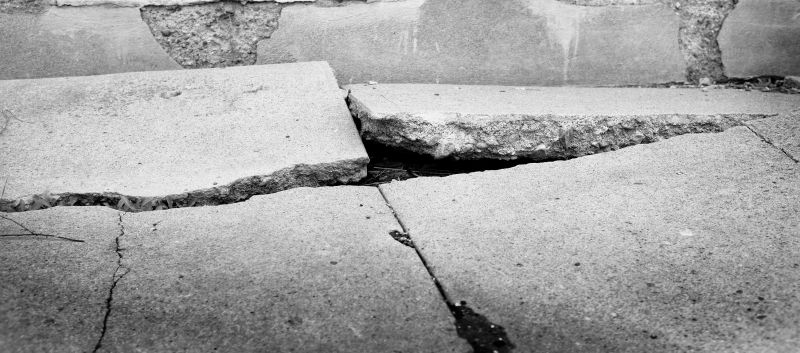
Concrete cracks, spalling, and surface damage often stem from common, everyday project situations that property owners encounter. For example, improper mixing or finishing during installation can leave the surface vulnerable to early deterioration. Additionally, exposure to harsh weather conditions-such as freeze-thaw cycles, heavy rain, or extreme heat-can cause the concrete to expand and contract, leading to cracks or surface spalling over time. Regular use and weight-bearing loads can also contribute to surface wear, especially if the concrete was not designed to handle frequent or heavy traffic.
When these issues occur, local contractors who specialize in concrete repair can assess the damage and determine the underlying causes. They can address problems like cracks, spalling, or surface deterioration by applying appropriate repair techniques that restore the strength and appearance of the concrete. Whether it’s filling cracks, removing spalled areas, or resurfacing the affected surface, these service providers are equipped to handle the repairs efficiently, helping property owners maintain safe and durable concrete surfaces.
Get a Quote for Concrete Cracks, Spalling, And Surface Damage Repair
What are common causes of concrete cracks, spalling, and surface damage? Common causes include ground movement, temperature changes, improper mixing, and exposure to moisture, which can weaken the concrete over time and lead to damage. Local contractors can assess the specific factors affecting a property's concrete and recommend appropriate repairs.
How does temperature fluctuation contribute to concrete deterioration? Repeated cycles of heating and cooling cause expansion and contraction in concrete, leading to cracks and surface damage. Professional repair services can address these issues and help prevent further deterioration caused by temperature-related stress.
Can moisture exposure cause concrete spalling and surface damage? Yes, water infiltration can weaken concrete, especially if it freezes and expands within cracks, causing spalling and surface deterioration. Local pros can provide repair solutions that improve moisture resistance and restore the concrete's integrity.
What role does improper installation or mixing play in concrete damage? Incorrect mixing ratios or poor installation practices can result in weak concrete that is more prone to cracking and surface issues. Experienced service providers can evaluate and repair damaged concrete to ensure better durability.
How can ground movement lead to concrete cracks and surface problems? Shifts in the soil beneath concrete slabs can cause stress and cracking, as well as surface damage. Local contractors can identify these underlying issues and perform repairs to stabilize and reinforce the concrete.
Understanding temperature fluctuations - property owners can plan for repairs by recognizing how extreme heat or cold causes concrete to expand and contract, leading to cracks and surface damage.
Managing moisture exposure - knowing that water intrusion can weaken concrete helps property owners prevent spalling by addressing drainage issues and sealing surfaces with local contractors.
Addressing ground movement - recognizing soil shifting or settling as a cause of cracks allows property owners to seek stabilization solutions from local service providers.
Monitoring structural loads - understanding how heavy loads or improper weight distribution impact concrete helps property owners identify when repairs are needed to prevent further damage.
If you are thinking about what causes concrete cracks, spalling, and surface damage for a property, this guide is meant to help you understand this topic, the typical project types, and how different options might fit your plans.
When you are ready, you can use the quote form on this page to share a few details about your project. From there, local pros can review the basics and follow up with options that match what you have in mind.
Get a Quote for Concrete Cracks, Spalling, And Surface Damage Repair