Concrete Repair vs Replacement: Which Is the Better Option?
Choosing between concrete repair and replacement depends on the damage, and local contractors can assess and perform the best solution for your needs.
Deciding between concrete repair and replacement is a common concern for property owners facing cracked, uneven, or deteriorating concrete surfaces. This decision can impact the safety, appearance, and longevity of driveways, patios, and walkways. If you’re exploring options to restore or upgrade your concrete surfaces, you’re in the right place. Local contractors specializing in concrete services can offer insights tailored to your specific situation, helping you weigh the practical benefits of repairing existing concrete versus opting for a full replacement.
Understanding the differences between concrete repair and replacement can lead to smarter, more cost-effective decisions. Repair solutions often address localized issues, preserving much of the original surface, while replacement might be necessary for extensive damage or structural concerns. Property owners in the area frequently consider these factors to maintain the value and safety of their properties. Keep reading to learn more about how local service providers can assist in evaluating which approach best suits your needs.
- Concrete repair services are suitable when cracks, surface damage, or minor deterioration are present, and local contractors can restore the integrity of existing concrete. Replacement services are often needed when the concrete is severely compromised, such as extensive cracking or structural failure, requiring a full removal and new installation by experienced service providers. Local pros evaluate the extent of damage to determine whether repair can address the issues or if replacement is the more effective solution. In cases of surface staining or cosmetic imperfections, concrete repair offers a cost-effective way to improve appearance without full replacement. For long-term durability and safety concerns, service providers can advise on whether repair or replacement best suits the specific condition of the concrete.
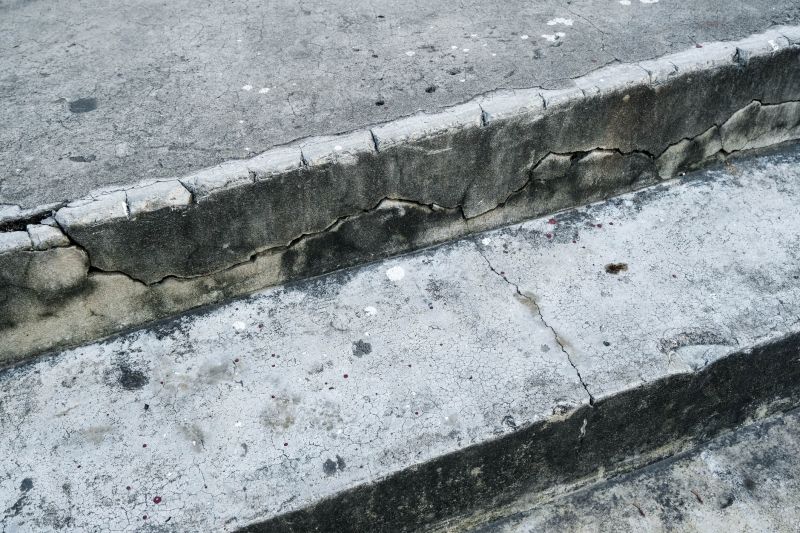
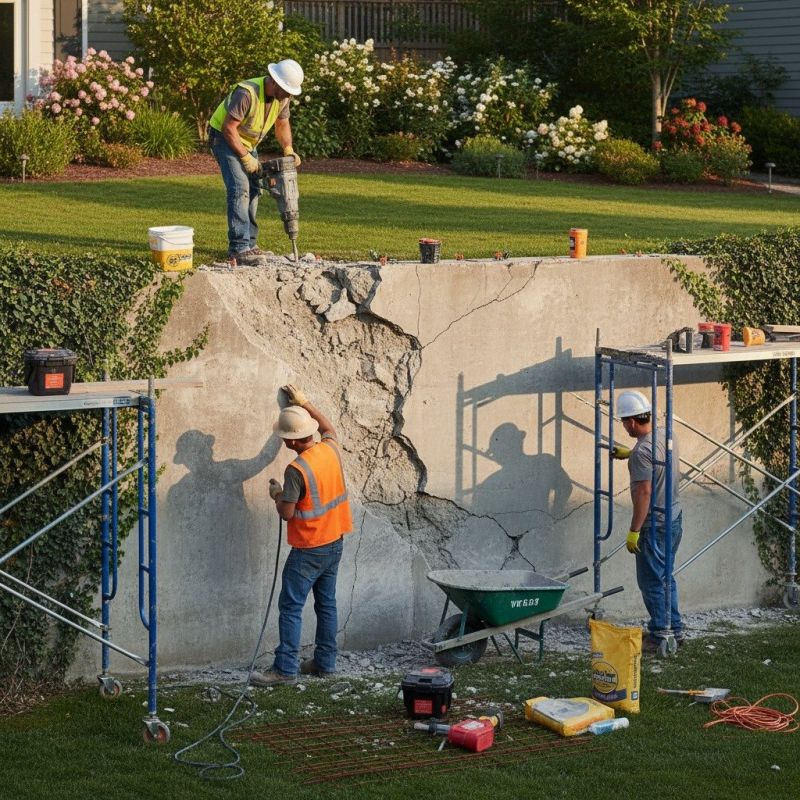
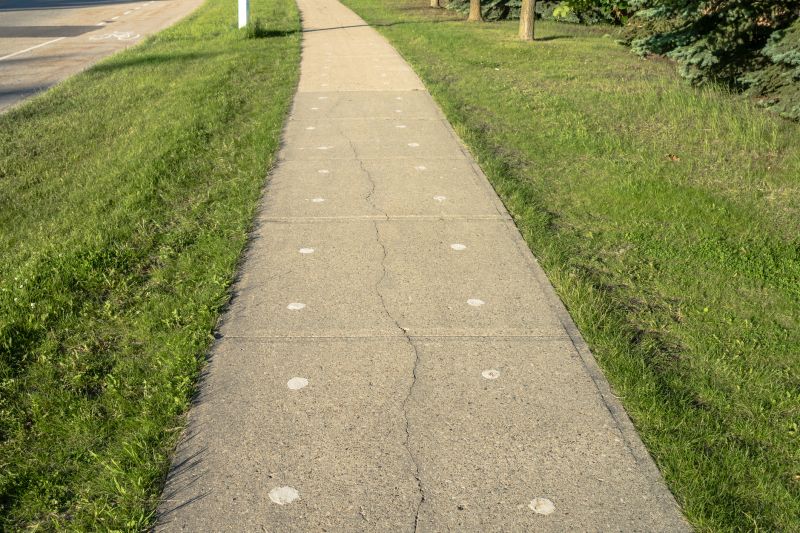
When homeowners search for information about concrete repair vs replacement: which is the better option?, they are usually trying to determine the most practical and cost-effective way to address issues with existing concrete surfaces. This topic often arises when a driveway, patio, sidewalk, or foundation shows signs of damage, such as cracking, spalling, or uneven settling. People want to understand whether a repair can restore the concrete’s strength and appearance or if a full replacement is necessary to ensure safety and durability. The decision can significantly impact the longevity of the project, the overall look of the property, and the amount of disruption involved. Local concrete repair and replacement service providers are equipped to evaluate these situations and recommend the most suitable approach based on the specific condition of the concrete.
Concrete problems linked to this topic typically include cracks from settling, freeze-thaw damage, or heavy use, as well as surface deterioration caused by weathering or corrosion. Homeowners often consider repair when damage is localized or minor, such as small cracks or surface spalling, which can be addressed with patching or sealing. Replacement becomes a more common consideration when the concrete is extensively cracked, crumbling, or has lost structural integrity. Property owners might also plan for replacement if they want to improve curb appeal or modify the layout of outdoor spaces. The decision depends on the extent of the damage, the age of the concrete, and the goals for the property. Local contractors can help assess the current state of concrete and advise whether repair or replacement offers the best long-term value.
The types of properties that frequently come up in discussions of concrete repair vs replacement include residential homes, commercial buildings, parking lots, and public infrastructure. For homeowners, issues often involve driveways, walkways, or garage floors that have developed cracks or uneven surfaces. Commercial property owners may face similar challenges with parking areas or loading docks that require quick and durable solutions. Public spaces like parks or sidewalks also encounter wear and tear that prompts considerations of whether repairs will suffice or if replacement is needed for safety reasons. Each property type presents unique challenges and priorities, which is why it’s important to work with local service providers who understand the specific demands of different environments. These professionals can evaluate the scope of work and recommend the most appropriate course of action.
Understanding concrete repair vs replacement: which is the better option? involves considering the condition of the existing concrete, the desired outcome, and the long-term benefits. Repair options are often more cost-effective and less disruptive, making them suitable for minor issues or when the concrete’s structural integrity remains intact. Replacement, on the other hand, may be necessary when repairs cannot address widespread damage or when a fresh start is needed to meet aesthetic or functional goals. Local contractors play a key role in helping property owners make informed decisions by providing expert evaluations and tailored recommendations. Whether choosing repair or replacement, working with experienced professionals ensures that the project aligns with the property’s needs and provides a durable, functional surface for years to come.
Concrete Surface Restoration - professionals skilled in surface preparation and finishing are essential for restoring damaged concrete surfaces, similar to repair techniques used in concrete repair vs replacement decisions.
Foundation Repair Services - these projects require assessment and stabilization skills that align with evaluating whether concrete repair or replacement is appropriate for structural integrity.
Driveway Resurfacing - involves surface repair and resurfacing methods comparable to concrete repair, helping homeowners extend the life of existing concrete slabs.
Garage Floor Coating - applying protective coatings on concrete floors demands surface prep and repair skills similar to those used in concrete repair vs replacement projects.
Sidewalk and Patio Repair - fixing cracks and uneven surfaces on outdoor concrete features shares techniques with concrete repair processes and planning considerations.
Industrial Concrete Maintenance - maintaining large-scale concrete infrastructure involves assessment and repair strategies akin to choosing between repair and replacement options.
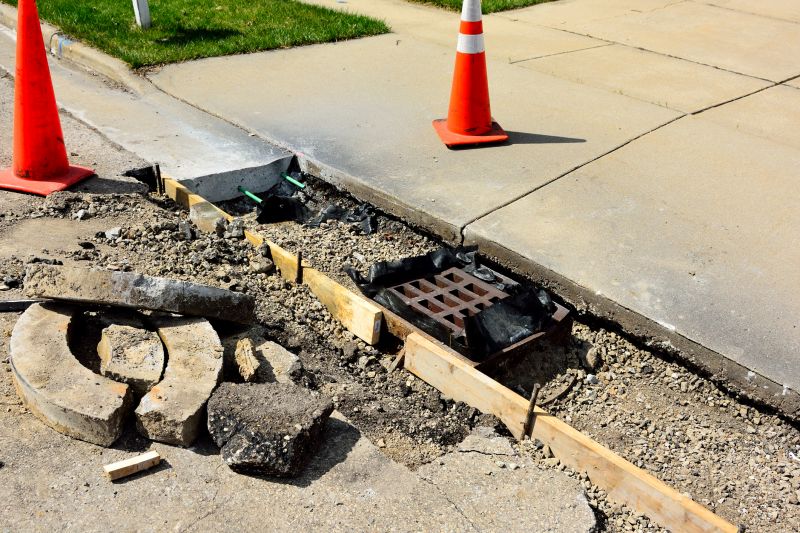
When comparing concrete repair versus replacement, it’s important to evaluate the experience of local contractors with similar projects. Homeowners should seek service providers who have a history of handling concrete issues comparable to their own, whether it’s cracking, spalling, or uneven surfaces. An experienced contractor can offer insights into the most effective solutions based on past work, helping to determine if repair will suffice or if replacement is necessary. This familiarity can also provide reassurance that the chosen approach aligns with the specific conditions and needs of the existing concrete.
Clear, written expectations are essential when working with local contractors to ensure both parties understand the scope of work, costs, and outcomes. Homeowners should look for providers who offer detailed proposals that outline what repairs or replacements will involve, including the materials used and the expected longevity of the solution. Having this information in writing helps prevent misunderstandings and ensures that the decision between concrete repair and replacement is based on transparent, informed discussions rather than assumptions.
Reputable references and effective communication are key factors in selecting the right service provider for concrete work. Homeowners are encouraged to ask local contractors for references from previous clients who had similar projects completed. This can provide insight into the quality of work and the contractor’s ability to deliver on promises. Additionally, good communication-prompt responses, clear explanations, and willingness to answer questions-can make the process smoother and more predictable. These qualities help ensure that the chosen professional can guide homeowners through the decision-making process, ultimately leading to a solution that best fits the condition of the existing concrete and the homeowner’s expectations.
Property owners often search for concrete repair vs replacement: which is the better option? when they are planning practical projects around their homes and businesses. Local pros provide Concrete Repair or Replacement services for everyday jobs and straightforward project options.
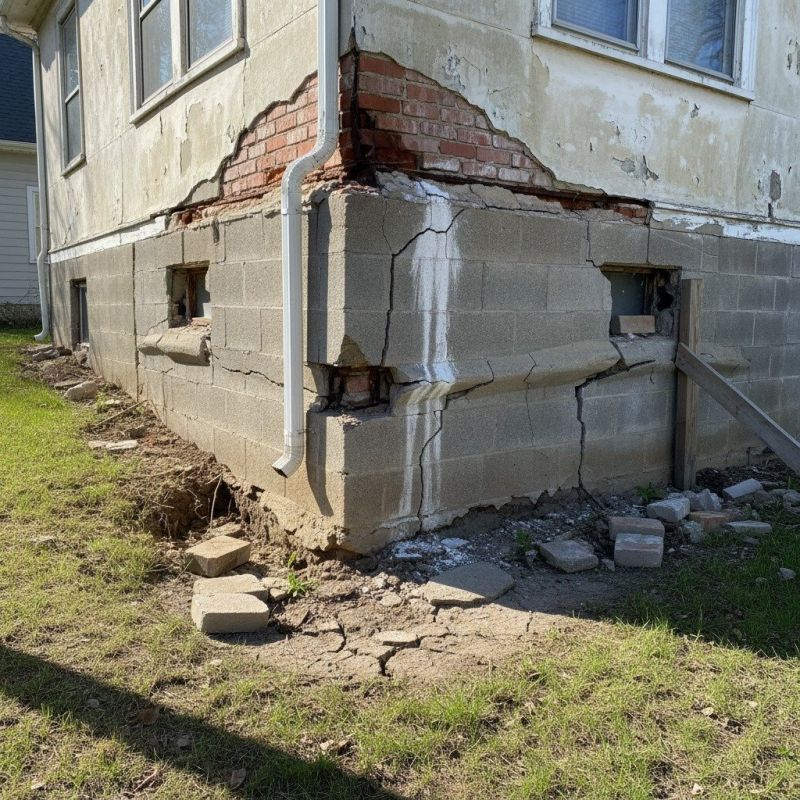
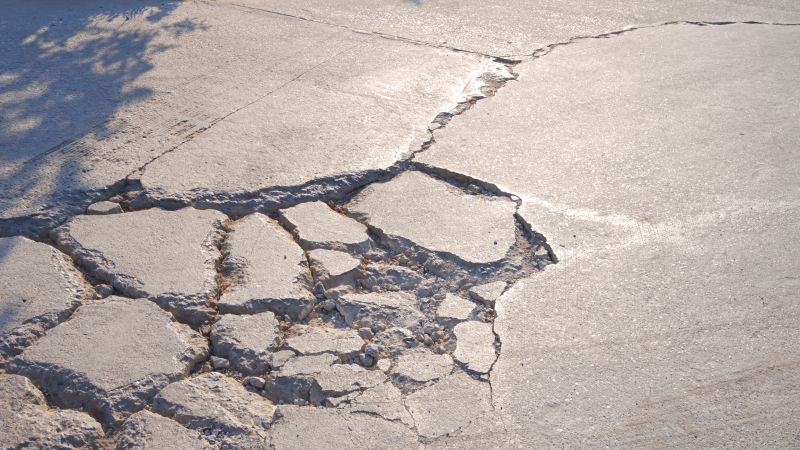
When property owners notice cracks, uneven surfaces, or other signs of deterioration in their concrete structures, they often wonder whether to pursue concrete repair or replacement. For many, the decision hinges on the extent of damage and the age of the concrete. Local contractors can assess these factors and recommend whether a simple repair-such as filling cracks or patching surfaces-will restore functionality and appearance, or if a full replacement is necessary to address more severe issues. Understanding the benefits of repair versus replacement helps property owners make informed choices that suit their specific project needs and budget.
In everyday situations, property owners might seek out repair services to quickly address minor problems and extend the lifespan of their existing concrete surfaces, like driveways or patios. However, when damage is extensive or the concrete has reached the end of its useful life, replacement may be the more practical option. Local service providers can evaluate the condition of the concrete and advise on the most effective solution, ensuring that the work performed aligns with the property's long-term stability and safety. This guidance helps property owners decide whether repairs will suffice or if replacement offers a better solution for their situation.
When should concrete repair be considered over replacement? Concrete repair is typically suitable when damage is limited to surface cracks, minor spalling, or small areas of deterioration, allowing local contractors to restore the existing slab effectively.
Is replacement necessary for extensive concrete damage? For widespread structural issues, deep cracks, or significant deterioration, concrete replacement may be the better option, as it ensures the integrity and safety of the surface.
Can local contractors determine whether repair or replacement is best? Yes, experienced service providers can assess the extent of damage and recommend whether repair or replacement will provide a more durable and cost-effective solution.
Are repairs a permanent solution for concrete problems? Repairs can address surface issues and extend the lifespan of concrete, but for severe or recurring damage, replacement might offer a longer-lasting result.
How does the decision between repair and replacement impact long-term durability? Repair may be sufficient for minor issues, but replacement can be necessary when structural stability is compromised, ensuring long-term safety and performance.
Assessing damage for repair or replacement - property owners can evaluate whether surface cracks or deeper structural issues indicate the need for repair services or full replacement by local contractors.
Deciding on repair techniques - choosing between patching, sealing, or resurfacing can help extend the life of existing concrete without full replacement, with guidance from local pros.
Planning for long-term durability - understanding when concrete repair is sufficient versus when replacement is necessary can inform project decisions to ensure lasting results.
Selecting the right contractor - selecting experienced local service providers ensures the appropriate approach is taken based on the condition of the concrete and project goals.
If you are thinking about concrete repair vs replacement: which is the better option? for a property, this guide is meant to help you understand this topic, the typical project types, and how different options might fit your plans.
When you are ready, you can use the quote form on this page to share a few details about your project. From there, local pros can review the basics and follow up with options that match what you have in mind.